
Kitchens That Outlast Trends and Time
Today we dive into Designing Kitchens for Generations: Repairable, Durable, Timeless, combining craft, engineering, and lived experience to build rooms that welcome change without losing soul. You will find pathways to choose materials that can be fixed, details that invite service, and proportions that feel familiar decades later, with engaging stories, habits, and checklists you can adapt immediately and share with people who cook, gather, and care alongside you.
Foundations That Endure
Longevity begins with planning you do once and enjoy for decades. Establish honest work zones, dependable clearances, and sightlines that calm rather than crowd. Favor adaptable counter heights, flexible storage, and generous task lighting. When the bones are right, replacements become easy, traffic feels natural across generations, and everything from daily breakfasts to large celebrations flows with unhurried grace, protecting your time, budget, and the environment from impulsive, wasteful overhauls.
Materials That Welcome Repair
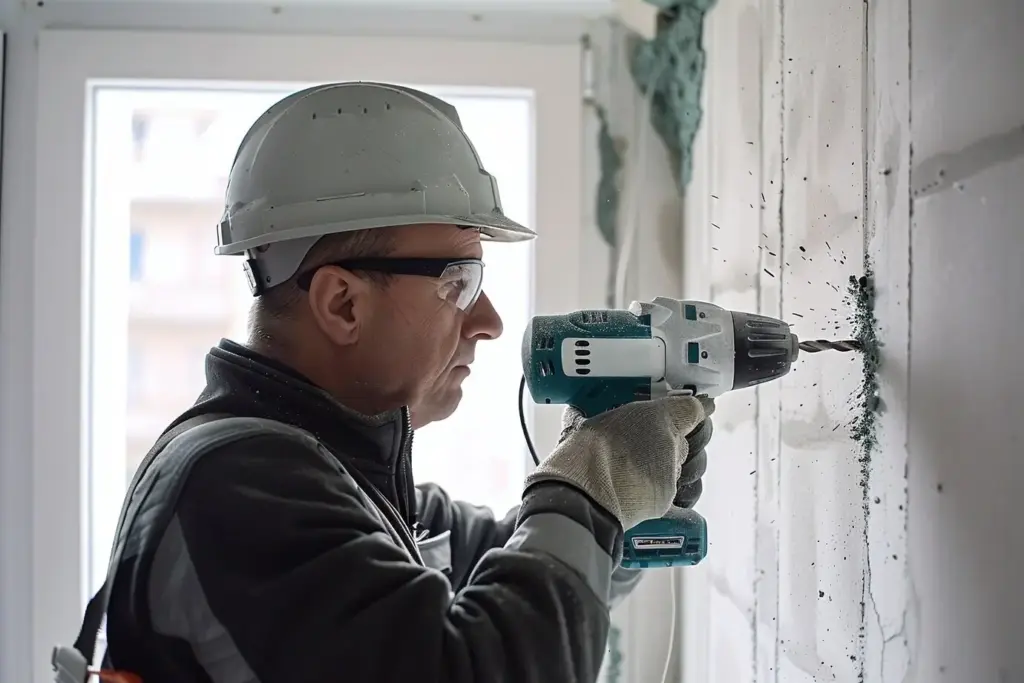
Choose components that can be sanded, refinished, re-oiled, or spot-repaired. Favor solid wood doors, replaceable counters, and tiles grouted with accessible, well-documented products. Use screws and visible fasteners where reasonable, so parts can be removed without destroying surrounding elements. Materials that age gracefully tell a story; a scratch becomes patina, not a crisis. This mindset extends the life of everything you install and keeps future options open and affordable.
Mechanical fixings are the quiet heroes of serviceable kitchens. Screws, knock-down fittings, and brackets allow controlled disassembly for cleaning, refinishing, or replacement. Glues create permanent bonds and heartbreaking tear-outs during repairs. Where strength or moisture demands adhesive, limit it to components realistically replaced as a unit. Document screw types and driver sizes in a small envelope inside a cabinet, so anyone can intervene with confidence when something loosens, rattles, or ages.
Oil-and-wax finishes, hardwax oils, and hand-applied varnishes can often be refreshed without stripping entire surfaces. Even painted cabinetry benefits from a well-chosen, cataloged color and a high-quality, sandable enamel. Keep a small touch-up kit with brushes, painter’s tape, and labeled swatches. Scheduling light maintenance prevents deep damage, keeps wood nourished, and protects edges from moisture. A few hours each season can add years of handsome, resilient service to hardworking surfaces.
Joinery, Hardware, and Access
Invisible decisions shape decades of satisfaction. Strong carcasses resist racking, quality slides keep drawers true, and generous access panels prevent dread when a valve or wire needs attention. Standardized hole patterns and replaceable fronts allow easy upgrades. Don’t bury shutoff valves or trap utilities behind glued panels. Thoughtful joinery and honest hardware may cost slightly more initially, yet they repay you every time something needs adjustment, cleaning, or replacement without drama or dust.
Cabinet Carcasses Built for Service
Specify moisture-resistant plywood, sealed edges, and backs that can be removed without splintering. Level cabinets on durable feet or rails so bases can be shimmed or replaced independently. Provide at least one removable panel near plumbing runs. Reinforce attachment points for heavy drawers and pull-outs. With a service-first structure, you can solve small problems in minutes rather than scheduling carpenters, saving money, stress, and finish surfaces that typically get hurt during rushed fixes.
Hinges, Slides, and Standardization
Use widely available hinge cups, common mounting plates, and full-extension slides with published load ratings. When hardware fails, replacements should be trivial to source years later. Keep a labeled bag with spare soft-close dampers and screws. Verify that door overlays, reveal dimensions, and drilling patterns follow known standards. This reduces custom headaches and ensures any competent technician can restore smooth motion without oddball parts, expensive shipping waits, or mismatched finishes that betray continuity.

Access for All Generations
Design drawers that open with minimal force, D-shaped pulls that welcome arthritic hands, and microwaves installed at safe heights. Include toe-kick drawers for little bakers and rollout trays for heavy pots. Consider seated prep space and task lighting with easy, tactile switches. When everyone can reach, lift, and clean comfortably, the kitchen becomes a shared craft rather than a guarded workspace. Accessibility today translates into independence, dignity, and safety for tomorrow’s caretakers and guests.
Appliances, Systems, and Upgrades
Select machines with replaceable parts, clear service manuals, and stable dimensions that respect cabinetry longevity. Keep ventilation powerful yet maintainable, water lines accessible, and electric runs neatly labeled. Plan dedicated shutoffs and quick-disconnects where safe and permitted. When change arrives—a new fridge, energy upgrade, or induction retrofit—your kitchen should accept it with minimal surgery. A calm systems backbone makes experimentation, sustainability improvements, and future technology adoption predictable rather than intimidating or wasteful.
Timeless Aesthetics
Beauty that lasts comes from proportion, restraint, and materials that speak softly. Let natural textures lead, celebrate honest joinery, and reference human-scaled details. Avoid date-stamping with overly specific trend cues; instead, rely on balanced lines, sympathetic contrasts, and light that reveals true color. A calm visual foundation supports small seasonal shifts—textiles, art, herbs—while leaving the architecture serene. This patience rewards you with continuity through changing fashions, growing families, and evolving culinary adventures.

Palette and Texture With Staying Power
Think layered neutrals warmed by wood, enlivened by metals, and grounded by stone or tile. Aim for a palette that frames ingredients and people rather than shouting over them. Matte or honed finishes reduce glare and provide subtle depth. Introduce color in pieces that are easy to repaint or replace. When tone and texture complement rather than compete, the kitchen reads as welcoming and composed, adapting gracefully to new cookware, artwork, and lighting over time.
Profiles and Lines Beyond Trends
Choose door rails, stiles, and edge details with measured confidence. A soft chamfer, simple Shaker panel, or clean slab can harmonize across decades when paired thoughtfully with hardware and lighting. Resist complicated molding stacks unless they serve proportion, not fashion. Repeat line weights so sightlines feel intentional. This disciplined vocabulary protects against fad fatigue and provides a restful backdrop for evolving rituals—morning coffee, late-night talks, holiday baking—anchored by shapes that continue to feel right.

Light That Flatters and Functions
Layer illumination: broad ambient light, shadow-free task beams, and warm accents that honor wood, stone, and faces. Favor serviceable fixtures with standard lamps or well-supported LEDs. Keep drivers and transformers accessible, not entombed behind panels. Dimmers and independent zones let you tune mood without harsh contrast. With maintainable lighting that respects color rendering and comfort, the room welcomes conversation, reading, and meticulous prep alike, revealing textures beautifully while keeping maintenance simple and predictable.
Care, Maintenance, and Community
{{SECTION_SUBTITLE}}

Maintenance Rituals That Actually Happen
Turn upkeep into cheerful routines anchored to real life. Oil cutting boards when seasons change, vacuum condenser coils at daylight saving time, and inspect caulk during spring cleaning. Keep reminders in a family calendar and celebrate quick wins with a favorite snack. When maintenance feels approachable and satisfying, small actions prevent big failures. These rhythms teach stewardship, build confidence, and keep every surface and mechanism ready for the joyful mess of cooking together.

Documenting for Future Caretakers
Create a simple, friendly binder or digital folder containing paint codes, hardware models, supplier contacts, and photos of hidden shutoffs. Add sketches showing stud locations, conduit routes, and appliance clearances. Tuck a tiny screwdriver, felt pads, and spare bumpers nearby. When guests house-sit or children inherit, they will bless your foresight. Documentation turns anxiety into agency, shortening repair times and protecting finishes, while honoring the thoughtful decisions invested in the room’s enduring character.